
Dynamic Vision Assessment & Training
Objective, non-invasive eye tracking that may be used as part of an individualised BodyLink plan. It measures how the eyes track, team and coordinate — the skills that sit underneath reading, focus and coordination.
Some people come to BodyLink specifically wanting to understand why reading or concentration feels harder than it should. For others, it is recommended alongside other BodyLink support, where it adds objective information to what we are already seeing.
Based in Silverdale, Auckland. Calm, non-invasive support.
How dynamic vision fits at BodyLink
This is a supporting assessment rather than a standalone programme. It is most often used alongside our Learning & Development Program or NIS, where it adds objective information to what we are already observing.
Where the results point to skills worth working on, we can assign targeted exercises and reassess to see what has changed.
Not sure where to start?
Get in touch and we can help you work out which BodyLink service may be the most relevant option.
What is Dynamic Vision?
In everyday language, dynamic vision is what your eyes do when they are moving — tracking, jumping between points and working together as a pair.
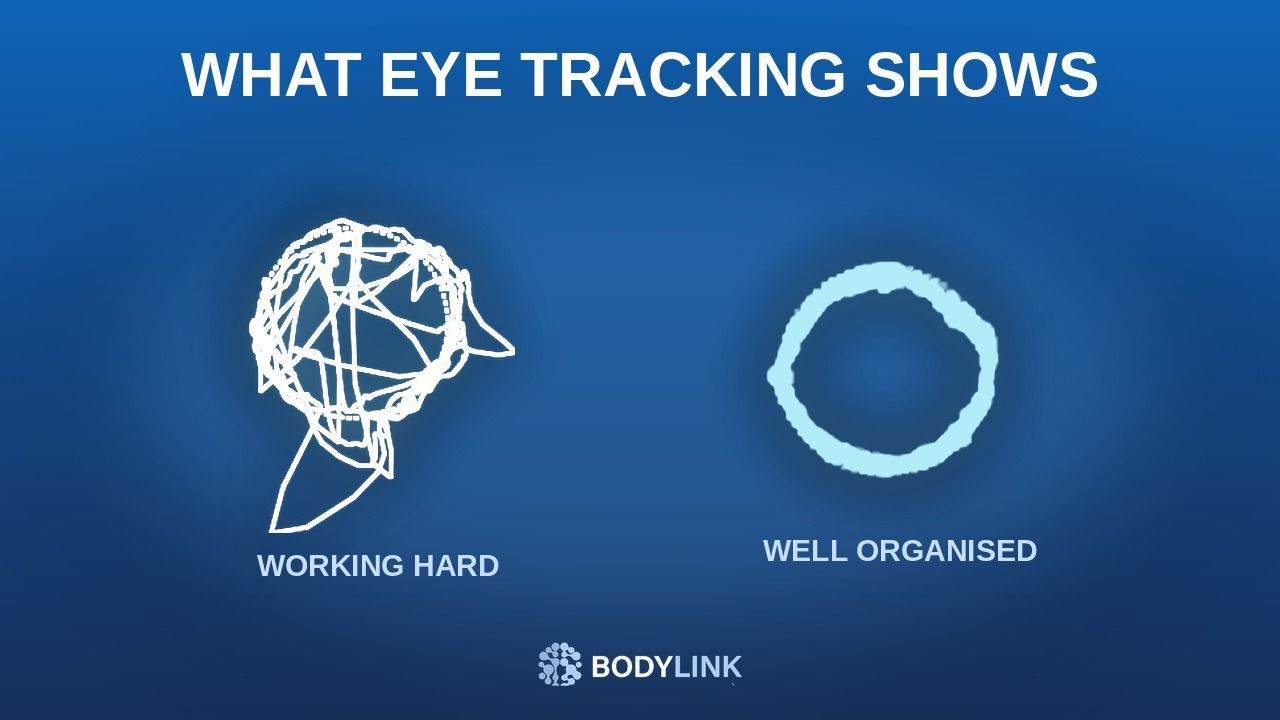
A Dynamic Vision Assessment measures how the eyes move, team and coordinate using eye tracking technology, and compares the results against age-based reference data.
Most vision testing checks how clearly you can see a still letter on a chart. That is static acuity, and it matters — but it is only one part of how vision works in everyday life. Dynamic vision refers to what the eyes do when they are moving and working together: tracking smoothly along a line of text, jumping accurately from one point to the next, teaming as a pair, and coordinating with the hands and body.
What it measures
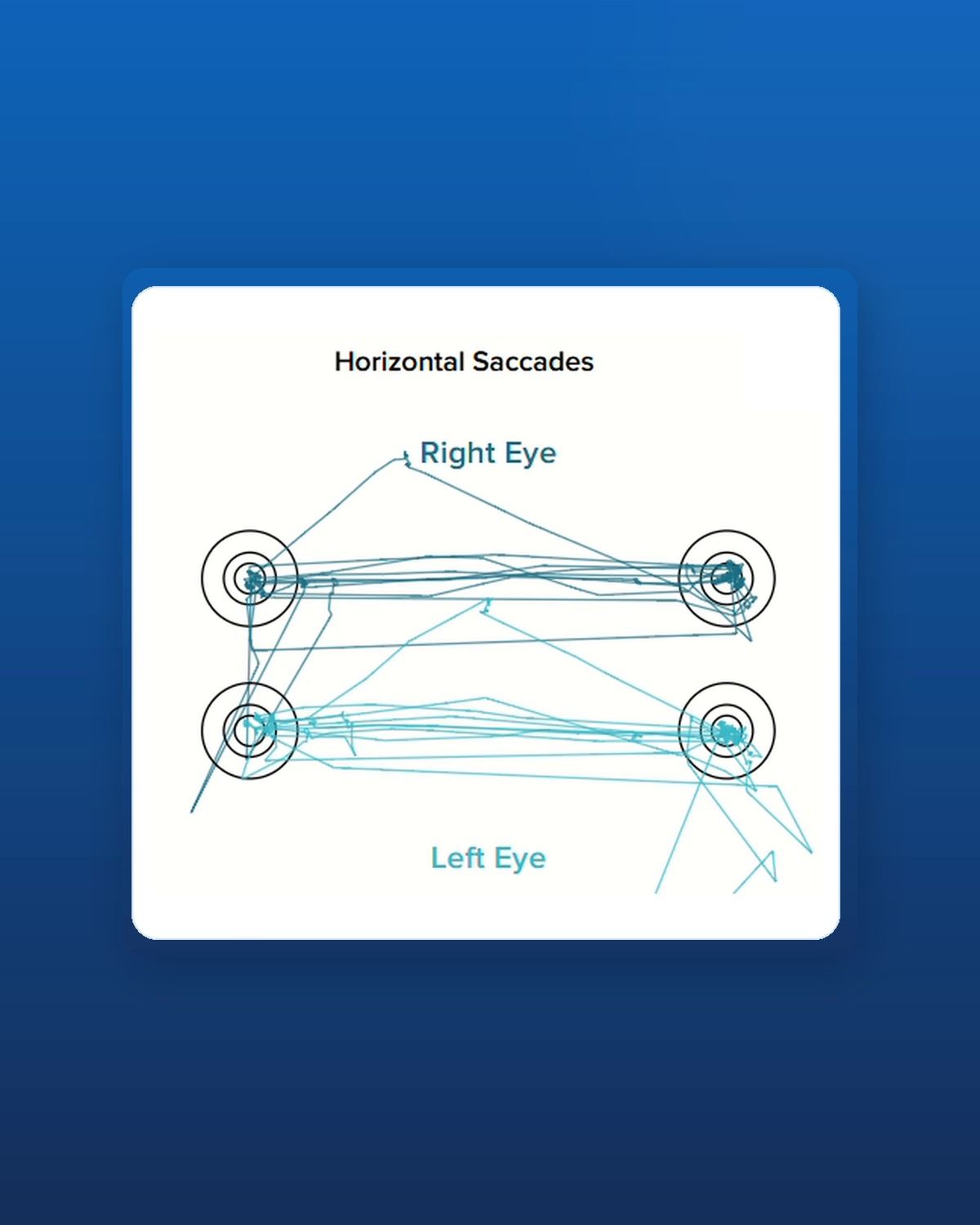
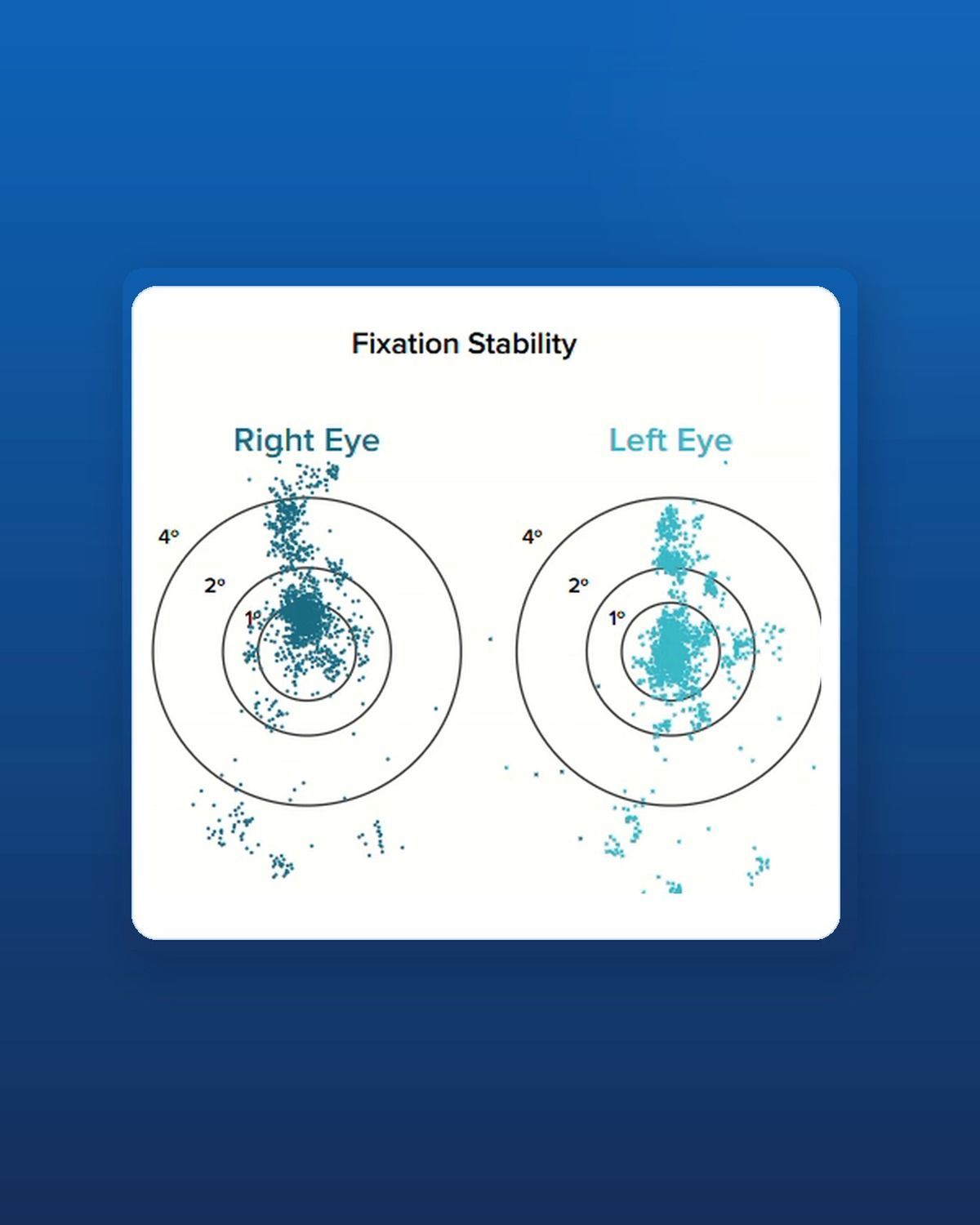
The assessment covers smooth pursuit — how well the eyes follow a moving target — along with saccades, the fast jumps the eyes make between points, fixation stability, eye teaming and reaction time.
Reading, catching a ball, judging a step and holding attention in a busy room all rely on these skills. When one of them is working harder than it should be, the effort usually shows up somewhere else — most often in reading stamina, concentration or coordination.
It is quick and comfortable. Baseline testing takes around five minutes and involves nothing more than sitting in front of a screen and following targets with your eyes.
How BodyLink uses it
At BodyLink, a Dynamic Vision Assessment is used as one part of a wider, individualised plan. It adds objective information to what we are already observing, and where the results point to skills worth working on, we can build a training programme from them.
It is not an eye health examination and it does not replace one. If anything suggests an optometrist or another professional should be involved, we will tell you.
Why BodyLink uses RightEye
At our Silverdale clinic, we look at how the brain and nervous system are handling everyday demands. Eye tracking gives us a way to measure part of that directly, rather than estimating it by observation alone.
For children
Reading, learning and coordination depend on many systems working together, and vision is one that is easily missed — a child can pass a standard eye test and still be working far harder than they should be to get through a page.
A Dynamic Vision Assessment measures what the eyes are actually doing while they track, jump between points and work as a pair. It turns “something seems harder than it should be” into something measured, and gives us a baseline to work from.
For children also working on primitive reflex integration, movement or developmental foundations, it adds to that picture rather than replacing it.
For teens and adults
It is not only used with children. For teens and adults, it may be relevant where concentration, reading endurance, screen fatigue or coordination are part of the picture, or as one part of a wider assessment during a period of recovery.
The same measures apply, compared against reference data for that person's age.
Why we use RightEye
Eye movements are recorded and measured rather than estimated by observation alone. Baseline testing takes around five minutes, and results sit against age-based reference data, so change over time is visible rather than assumed.
Reports include video replay of the eye movements, so you can see what we are describing rather than take our word for it. The same system also provides exercises built from the individual's own results, which is what makes the assessment a starting point rather than an endpoint.
Related BodyLink support

When it may be considered
Everyone is different. A Dynamic Vision Assessment may be considered as part of an individualised plan when things like these are showing up:
Reading, learning and coordination
- losing place or skipping lines, or frequent re-reading
- tiring quickly when reading, or avoiding near work
- a gap between what a child is capable of and how much effort reading takes
- difficulty catching, judging distance or timing a movement
- difficulty sustaining focus on visual tasks, or tiring in a busy classroom
For teens and adults, it may also be relevant where concentration, reading endurance, screen fatigue or coordination are priorities.
You do not need to recognise all of these. If you're unsure whether it is relevant for you or your child, get in touch and we can help guide you.
What the assessment involves
The assessment is designed to be calm, comfortable and non-invasive.
A typical assessment involves:
- sitting comfortably in front of a screen at a set distance
- following a series of moving and stationary targets with your eyes
- around five minutes of baseline testing
- nothing touching you, no drops and no bright light
- going through the results with you straight afterwards, in everyday language
- For children, we keep it short, calm and age-appropriate. For teens and adults, the same individualised approach applies.
If a Dynamic Vision Assessment is included in your plan, we'll explain:
- why it has been recommended
- what we are looking at
- how it fits alongside your broader BodyLink care
- what we’ll monitor and review over time
What happens after the assessment
The results become one more piece of the picture, not a conclusion on their own. We look at them alongside everything else — developmental history, reflex patterns, coordination, regulation and how things are actually going day to day.
We go through the report with you in everyday language, and you are welcome to take a copy away with you. If it would be useful for your child's school or optometrist to see it, we are happy for you to share it.
Dynamic vision training
- exercises built from that person's own results, not a generic set
- done at home between visits, short and repeated consistently
- reviewed at your next visit and adjusted where needed
- a repeat assessment to check whether it is working, shown side by side with the first
- training is not automatically part of every plan — if it is not the right priority, we will say so
You'll leave with:
- a clearer understanding of the areas we’ve looked at
- a report you can take away, including video replay of the eye movements
- what we recommend as the next step
- an idea of what training or review may look like from here
How to get started
1
Get in touch
Tell us a little about what you or your child are experiencing, and we will talk through whether this is likely to be useful.
2
Come in for your assessment
Come in to our Silverdale clinic. The assessment is short, calm and non-invasive, with around five minutes of testing.
3
Review together
We explain the results in everyday language, agree whether a training programme makes sense, and set the next steps with you.
Frequently Asked Questions
Is this the same as an eye test?
No, and it does not replace one. A standard eye examination checks eye health and how clearly you see a still target. A Dynamic Vision Assessment measures how the eyes move, team and coordinate.
The two look at different things, and we would always encourage you to keep up regular eye examinations with your optometrist.
Does anything touch the eyes?
No. You sit comfortably in front of a screen and follow targets with your eyes. Nothing touches you, there are no drops, and there is no bright light.
What ages is it suitable for?
It suits children through to adults. The main requirement is being able to sit still and follow instructions for a few minutes. If we do not think someone is ready for it on the day, we will say so rather than push on.
Can it diagnose dyslexia, ADHD or autism?
No. It measures eye movement patterns and compares them against age-based reference data. It does not diagnose anything. It is one more piece of information alongside everything else we look at, and diagnosis sits with the appropriate registered professionals.
Can dynamic vision skills change?
These are developing skills rather than fixed traits, and in many cases they respond to consistent, targeted practice. Where the assessment shows something worth working on, we can assign exercises built from that person's own results, done at home between visits. How much changes, and how quickly, varies from person to person — which is why we measure first and reassess, rather than assume.
Can we share the report with our child's school or optometrist?
Yes. The report is yours, and many families find it useful to share with a teacher, learning support staff or their optometrist. Just ask us for a copy.
Do I need a referral?
No. You can get in touch with us directly. If we think another professional should be involved, we will tell you.
Can I book it on its own?
It is generally used alongside another BodyLink service, but if you would like it as a standalone assessment, get in touch through our contact page and we will talk it through with you.