
Learning & Development Program
If your child is bright but struggling to keep up, easily overwhelmed, or working incredibly hard just to manage everyday learning and school tasks, there may be developmental foundations that need additional support.
Clinic-based support in Silverdale, Auckland, with personalised home support when appropriate.
BodyLink’s Learning & Development Program uses Reflex Integration as part of a structured, non-invasive approach designed to support the developmental foundations involved in learning, coordination and regulation.
The focus is practical: helping your child build stronger foundations so everyday learning and development can feel more manageable.
Reflex Integration is an approach that looks at the automatic reflexes we are born with and how they develop as a child grows. These early reflexes play a role in the development of movement, balance and coordination. As the brain and nervous system mature, they become less dominant as more controlled movement patterns develop. Reflex Integration looks at whether these developmental patterns may still be influencing how a child moves, learns, pays attention or regulates.
For some children, difficulties in these areas can make everyday tasks feel more demanding — from coordination and sitting still to learning, attention and emotional regulation.
At BodyLink, we take a practical, individualised approach. We look at which developmental and reflex patterns may be relevant for your child and use that information to help guide appropriate support within the Learning & Development Program. We explain what we’re seeing clearly and keep the process manageable for families.
Who this program is for:
This program may be a good fit for children who experience things like:
Learning and Attention
- difficulty focusing or staying with a task
- inconsistent performance — managing something one day but finding it difficult the next
- slower processing or feeling overwhelmed in busy environments
- avoidance, shutdown or strong emotions around schoolwork
Reading and Writing
- reading fatigue or difficulty with comprehension, particularly under pressure
- writing that feels slow or effortful
- difficulty with spelling, copying or organising thoughts on paper
Coordination and Body Awareness
- clumsiness, poor balance or awkward movement patterns
- difficulty with sports skills or confidence in playground activities
- poor posture at a desk, low muscle tone or tiring quickly
You don’t need to see all of these. Every child is different, and the challenges you’re noticing may show up in different ways. If you’re unsure whether the Learning & Development Program is relevant for your child, get in touch and we can help guide you towards the most appropriate next step.
What progress may look like over time
Every child’s progress is individual. As the programme continues, we focus on meaningful changes in the areas that matter most to your child and family.
Depending on your child’s individual needs, this may include changes in areas such as:
- attention and stamina for learning
- emotional regulation and managing overwhelm
- coordination, balance and confidence in movement
- reading and writing tasks
- confidence with school and everyday routines
- energy levels and how your child manages daily demands
Progress doesn’t always look dramatic. Sometimes it is seen in everyday things — tasks feeling more manageable, greater confidence, or your child coping more comfortably with the demands of home and school.
What the program involves
This program is structured and personalised. While every child’s plan is different, support may include:
A clear starting point
We begin by looking at the developmental and reflex patterns that may be most relevant for your child and use this information to help guide an individualised support plan.
Clinic sessions
Your child attends regular sessions in our Silverdale clinic. We aim to keep the experience calm, supportive and child-friendly.
Practical home support (when appropriate)
When appropriate, we may provide simple home activities to support the work being done in clinic. These are designed to be realistic for family life and can be adjusted as your child progresses.
Reassessments and progress check-ins
We review your child’s progress over time and adjust the program where appropriate, recognising that every child develops at their own pace.
Important note: Following the Reflex Assessment, we’ll talk you through the recommended frequency and timeframe based on your child’s individual needs. We don’t use a one-size-fits-all approach.
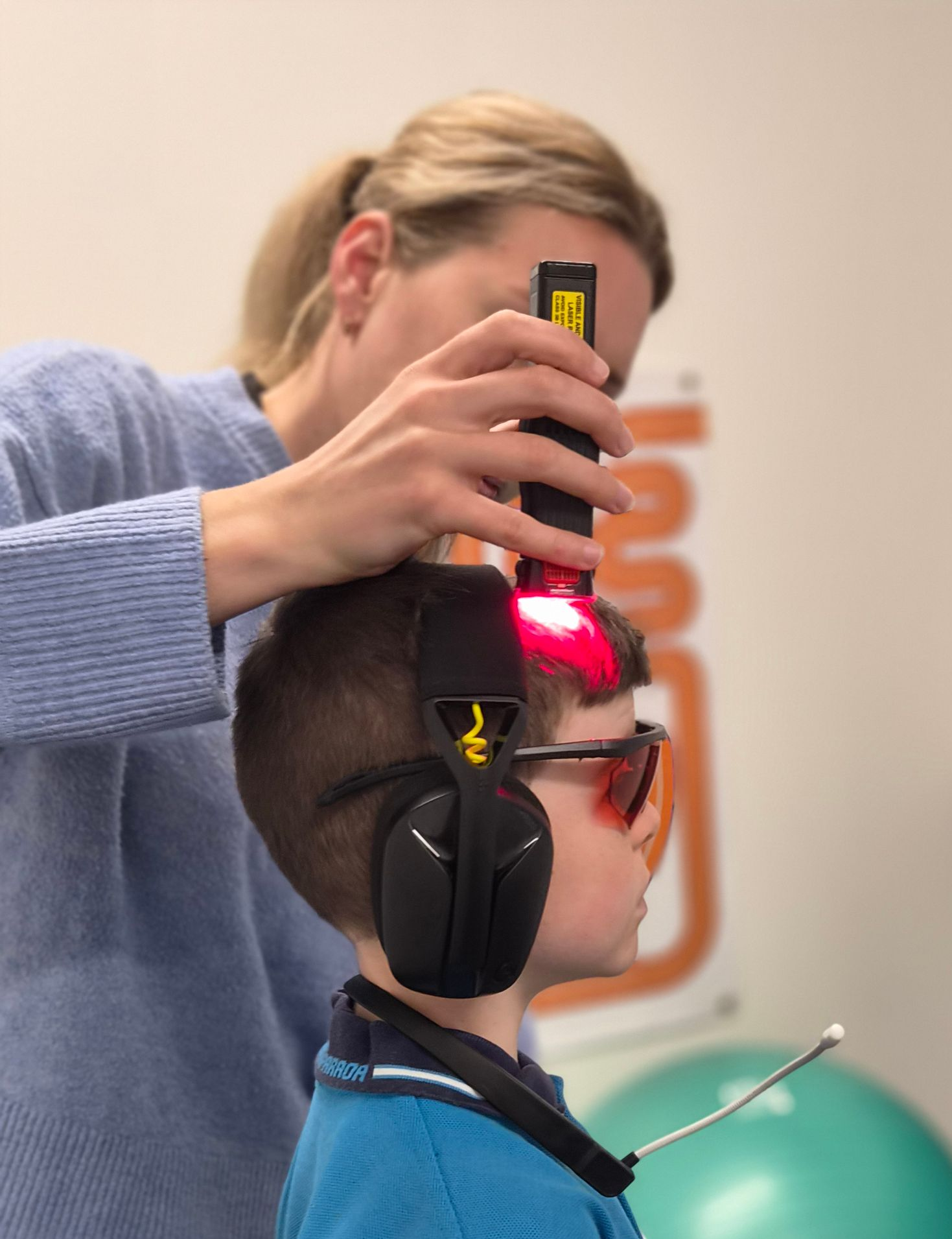
What happens at the Reflex Assessment
The Reflex Assessment gives us a clearer picture of the developmental and reflex patterns that may be relevant to your child’s learning, coordination and regulation.
We’ll:
- talk through what you’ve been noticing at home, school and in everyday life
- consider relevant history and current concerns
- depending on your child, this may include looking at areas such as balance and coordination, motor skill patterns, primitive and postural reflexes, eye tracking and oculo-motor function, visual processing and left–right integration.
- explain what we’ve identified in clear, everyday language
- discuss whether the Learning & Development Program (Reflex Integration) may be appropriate for your child
- recommend the next steps based on your child’s individual needs
If the assessment points that way, a Dynamic Vision Assessment can be added on — an objective eye tracking measure that records eye movements and compares them against age-based reference data. Read more about Dynamic Vision Assessment.
You'll leave with:
- a clearer understanding of the areas we’ve looked at
- an explanation of what may be relevant for your child
- guidance on whether the Learning & Development Program may be appropriate
- clear recommendations for what to do next
Why families choose the Learning & Development Program
The Learning & Development Program (Reflex Integration) is designed to provide support that is:
- calm and non-invasive
- structured, while still tailored to the individual child
- practical and manageable for family life
- explained in everyday language
- reviewed over time as your child’s needs and progress change
The aim isn’t to change who your child is. We focus on supporting the developmental foundations that may be relevant to learning, coordination and regulation, while respecting each child’s individual strengths and needs.
Frequently Asked Questions
Is this a tutoring program?
No. This is not tutoring. It’s a developmentally informed program that supports underlying foundations that can affect learning, coordination and regulation.
Do you diagnose ADHD, autism or learning disorders?
We don’t diagnose. We provide non-invasive wellbeing support and can work alongside your existing healthcare providers, therapists and educational supports.
How long does the program take?
It varies. Your child’s plan is tailored to their individual needs, and we’ll discuss the recommended frequency and likely timeframe following the Reflex Assessment.
Will my child need to do exercises at home?
Sometimes, yes. If home support is recommended, we keep it simple, realistic and adjusted over time.
What ages do you work with?
We primarily support children through this program. If you’re unsure whether the Learning & Development Program is appropriate for your child’s age or needs, get in touch and we’ll help guide you.