

Child Development Support for Learning, Attention & Development
When your child is struggling with learning, attention, coordination or everyday life, it can quickly affect the whole family. You may be dealing with teacher feedback, fatigue, emotional overwhelm, homework battles, or the feeling that your child is working much harder than they should.
At BodyLink, we provide calm, non-invasive child development support focused on the connection between the brain and body. We work with children experiencing learning and developmental challenges, including difficulties associated with attention, coordination, dyslexia, ADHD and neurodivergence.
Our goal is to help strengthen the underlying foundations that support learning, regulation, movement and everyday development, so your child can feel more confident and capable in daily life.
If this feels familiar, you’re not alone
Many parents arrive here after trying a few things already. Sometimes the feedback is confusing: “They’re bright but not applying themselves.” Or “They can do it one day but not the next.” Or “They try so hard and still fall behind.”
Often, these patterns aren’t about effort. They can be a sign that your child’s nervous system is under load, or that some key developmental building blocks need extra support.
Our role is to help you make sense of what’s going on and give you a clear next step.
Signs your child may benefit from support
Every child is different. You don’t need to tick every box. These are simply common patterns families share with us:
Learning and attention
- Difficulty focusing, especially in busy environments
- Struggles to follow multi-step instructions
- Slow to start tasks, avoids schoolwork, or gets overwhelmed quickly
- “Knows it” but can’t show it consistently
Reading, writing and school skills
- Reading feels unusually hard or tiring
- Writing is slow, messy, or very effortful
- Poor spelling retention despite practice
- Avoidance, anxiety or shutdown around schoolwork
Movement, coordination and body awareness
- Clumsiness, frequent bumps/trips
- Poor balance or difficulty with sport skills
- Low muscle tone, awkward posture at a desk
- Difficulty crossing midline (e.g., hand dominance not settled)
Regulation, sensory and behaviour
- Big emotional reactions, frustration, low resilience
- Anxiety, shutdown, or “masking” at school then meltdown at home
- Sensory sensitivities (noise, touch, textures, movement)
- Trouble with transitions and changes in routine
What we focus on
- supporting foundational development patterns
- nervous system regulation
- coordination and body awareness
- practical progress over time (with check-ins)
We take a whole-child view. That means we look beyond the headline issue (“reading” or “behaviour”) and consider the foundations that support learning and regulation.
For many children, that includes our Learning & Development Program (Reflex Integration), which supports development in a structured, step-by-step way.
We also consider real life: sleep, stress, energy, confidence, school demands, and what’s already been tried. The goal is never to overwhelm you with information. It’s to give you clarity and a plan you can actually follow.
Our approach
What you might notice
We don’t promise instant fixes. But families often tell us they start to notice small shifts that add up over time. Depending on your child, that may include:
- better stamina for learning and less “burn out”
- improved attention and ability to stay with a task
- smoother emotional regulation and fewer big reactions
- improved confidence, coordination and willingness to try
- less daily friction at home and school
What progress can look like
The most helpful outcomes are usually practical: mornings run smoother, school feels less exhausting, or your child is more settled in their body.
What happens next
If you’re exploring support for your child’s learning, attention, coordination or development, you can book a Reflex Assessment directly.
If you’re unsure whether a Reflex Assessment or another BodyLink service is the right place to start, get in touch and we can help guide you based on what you’ve been noticing at home, at school or in everyday life.
What a Reflex Assessment involves
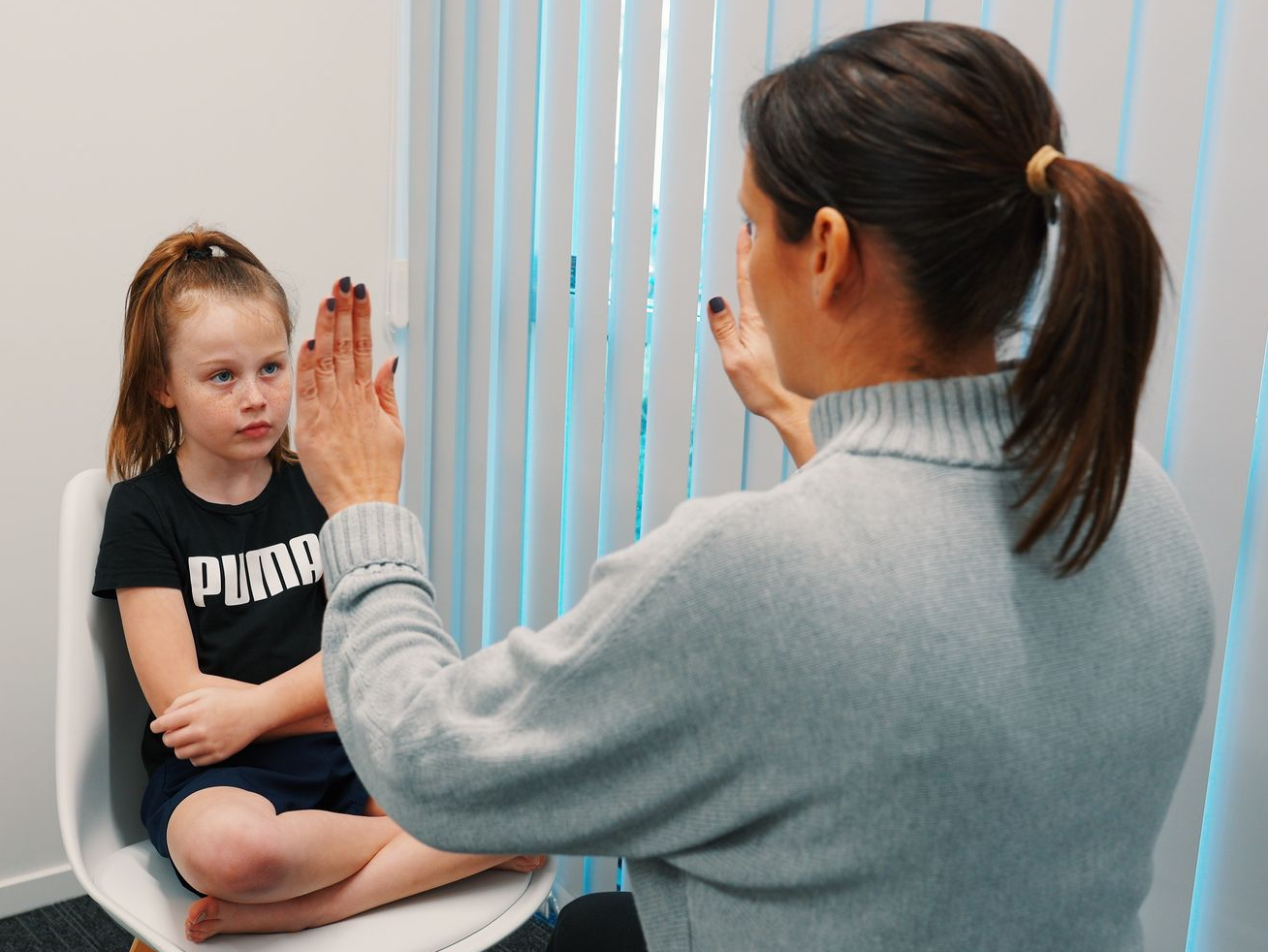
We look at how your child’s brain and body are working together across key developmental areas, including:
- Balance and coordination
- Motor skill patterns
- Primitive and postural reflexes
- Eye tracking and oculo-motor function
- Visual processing and left–right integration
The information gathered helps us build a clearer picture of the developmental areas that may be contributing to the challenges your child is experiencing and helps guide recommendations for appropriate support.
You'll leave knowing:
- the areas that may be contributing to what you’re seeing
- what we recommend as the next step
- what support may be appropriate for your child
- what that support could look like moving forward
How to get started
1
Book a Reflex Assessment
A Reflex Assessment is the starting point for exploring your child’s learning, attention, coordination and developmental needs.
2
Build a clearer picture
We look at relevant developmental areas to better understand what may be contributing to the challenges you’re seeing.
3
Understand the next step
We’ll explain what we’ve identified and what we recommend from there, including whether the Learning & Development Program (Reflex Integration) may be appropriate for your child.
Frequently Asked Questions
Do you diagnose learning disorders or ADHD/autism?
We don’t diagnose. We provide non-invasive wellbeing support that can sit alongside your child’s existing care team and educational supports.
How long does it take?
It depends on your child and what we identify through the Reflex Assessment. If the Learning & Development Program is recommended, we’ll outline the suggested frequency and what a realistic timeframe may look like for your child.
Do we need a referral?
No referral is required. You can book directly.
What if I’m not sure this is the right fit?
If you’re unsure whether a Reflex Assessment or another BodyLink service is the right place to start, get in touch. We can talk through what you’ve been noticing and help guide you towards the most appropriate next step.